How Much Does Custom Software Development Cost in 2026?
One of the first questions businesses ask when considering custom software is:
How much will it cost?
The answer depends on what you are building, how complex the business logic is, which systems need to be integrated, and how much development and maintenance the project will require.
There is no single price for custom software development.
A simple internal tool can cost significantly less than a complete business platform with multiple users, integrations, automation, reporting, and complex workflows.
This guide explains the main factors that determine the cost of custom software development in 2026 and how businesses can plan their budgets more effectively.
What Is Custom Software Development?
Custom software is software designed and developed specifically for the needs of a business or organization.
Instead of adapting the business to an existing SaaS product, custom software allows the system to be designed around the company’s actual workflows.
Examples include:
- Internal business management systems
- Customer portals
- Booking platforms
- Inventory systems
- CRM systems
- Business dashboards
- Workflow automation platforms
- API integrations
- Industry-specific applications
- IoT monitoring platforms
- SaaS products and MVPs
Custom software can be as simple as a small internal application or as complex as a complete digital platform.
How Much Does Custom Software Cost?
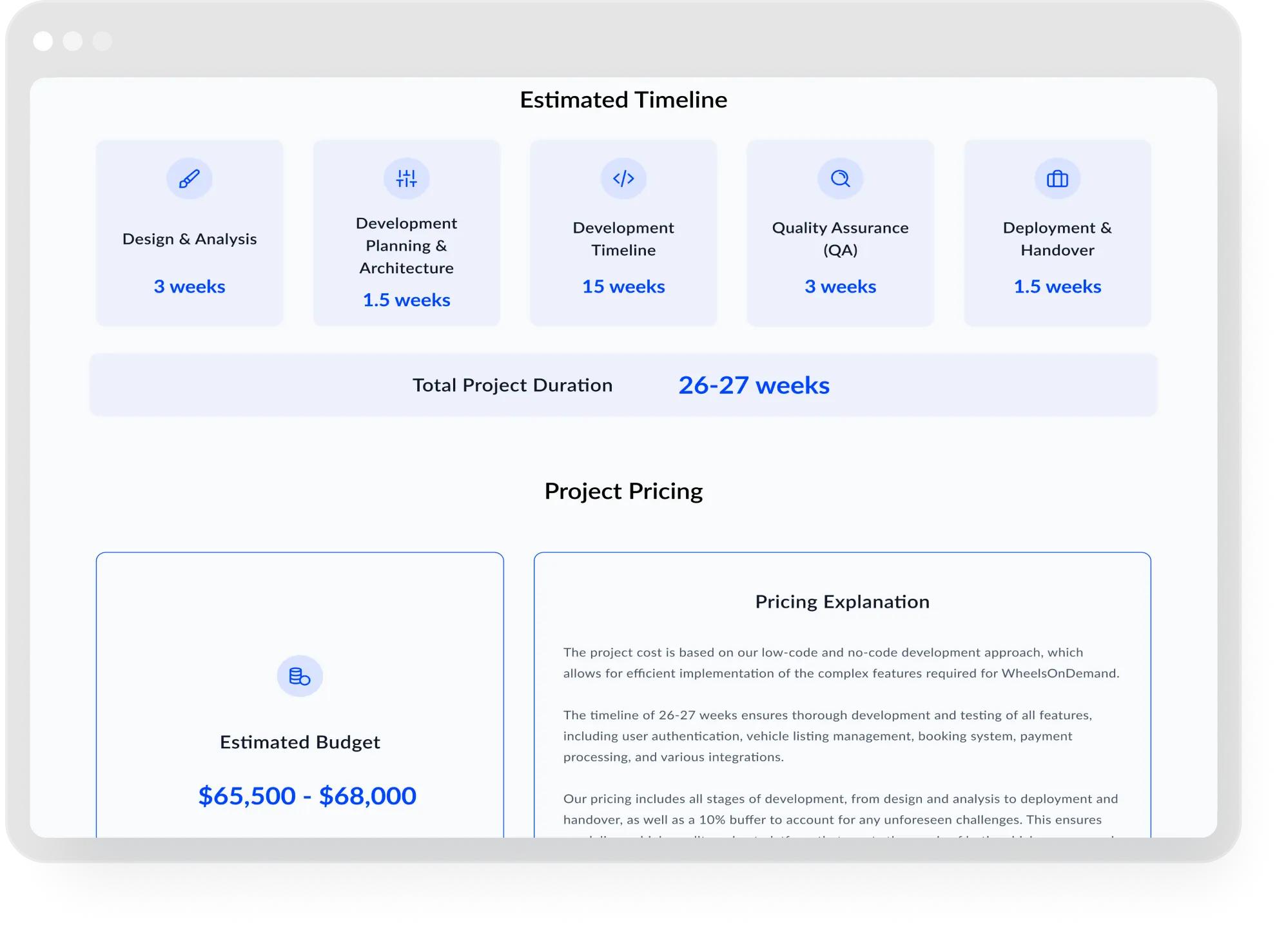
There is no universal price, but a practical way to think about development costs is by project complexity.
| Project type | Typical scope | Approximate development range |
|---|---|---|
| Small internal tool | Basic forms, database, reports | $3,000 – $10,000+ |
| Business application | Multiple modules and users | $10,000 – $30,000+ |
| Complex business platform | Integrations, automation, advanced workflows | $30,000 – $75,000+ |
| Large custom platform | Multiple systems, complex architecture, high scalability | $75,000+ |
These are general planning ranges rather than fixed prices.
The actual cost can be significantly different depending on requirements, technology, integrations, security, design, infrastructure, and project complexity.
The most important point is that software should be estimated based on requirements rather than simply charging for a number of development hours.
What Determines the Cost of Custom Software?
Several factors have a direct impact on the final development cost.
1. Number of Features
The more functionality a system requires, the more development time is necessary.
A simple application might only require:
- User authentication
- A few forms
- Database storage
- Basic reports
A larger system may require:
- Multiple user roles
- Complex workflows
- Notifications
- Payments
- Reports
- Dashboards
- APIs
- External integrations
- Automation
- Audit logs
- Advanced permissions
Every additional feature increases the amount of development, testing, and maintenance required.
2. Business Logic
Two applications can have the same number of screens but completely different levels of complexity.
For example, a simple contact management system may be relatively straightforward.
A system that calculates prices based on customers, products, taxes, discounts, inventory, locations, contracts, and business rules is much more complex.
The complexity of the business logic is often more important than the number of pages in the application.
3. Integrations
Integrations can significantly affect the cost of a project.
A custom system may need to communicate with:
- Payment providers
- Accounting systems
- CRM platforms
- ERP systems
- Email services
- External APIs
- Government systems
- Shipping providers
- Cloud services
- IoT devices
Each integration requires development, testing, authentication, error handling, and ongoing maintenance.
4. User Roles and Permissions
A simple application may have only one type of user.
A business platform might require:
- Administrators
- Managers
- Employees
- Customers
- Suppliers
- External partners
Each role may have different permissions.
For example, an employee might be able to create an order but not modify financial information.
These rules add complexity to both the backend and the user interface.
5. User Interface and User Experience
The interface also affects development cost.
A basic internal tool can use a relatively simple interface.
A customer-facing platform may require:
- Responsive design
- Mobile optimization
- Custom components
- Advanced navigation
- Accessibility
- Interactive dashboards
- User onboarding
- Different layouts for different devices
The more refined the user experience needs to be, the more design and development work is required.
6. Security Requirements
Security becomes increasingly important when software handles sensitive or valuable information.
Depending on the application, requirements may include:
- Secure authentication
- Role-based access control
- Encryption
- Secure password management
- Audit logs
- Session management
- API security
- Data protection
- Backup strategies
- Monitoring
Security should not be treated as an optional feature added at the end of development.
It should be considered from the beginning.
7. Infrastructure and Deployment
Software needs an environment in which it can operate.
Depending on the project, this may include:
- Cloud servers
- Databases
- Storage
- Domain configuration
- SSL certificates
- Backups
- Monitoring
- Deployment pipelines
- Logging
Infrastructure costs are usually separate from development costs and should be included in the overall technology budget.
Custom Software vs SaaS
One of the most important decisions is whether a business actually needs custom software.
A SaaS product may be the better option when:
- The business requirements are standard.
- An existing product already solves the problem.
- The business wants to minimize initial costs.
- Customization requirements are limited.
Custom software can make more sense when:
- Existing software does not match the business process.
- The company has unique workflows.
- Multiple systems need to be integrated.
- Automation is important.
- The business needs complete control over its data.
- The software itself is part of the company’s competitive advantage.
The goal is not to build custom software simply because it is possible.
The goal is to determine whether custom development provides enough business value to justify the investment.
MVP vs Full Product
Another important factor is deciding how much software needs to be built initially.
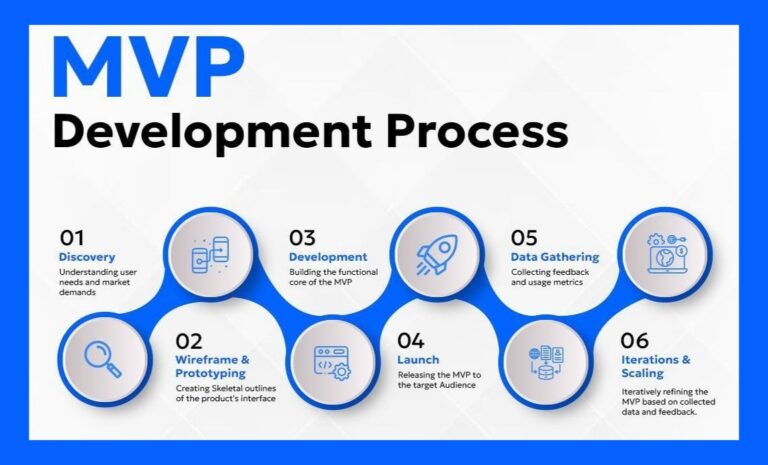
A startup does not necessarily need a complete platform on day one.
An MVP can focus on the core functionality required to validate an idea.
For example:
MVP
- User registration
- Core business functionality
- Basic dashboard
- Database
- Essential workflow
Later versions can introduce:
- Advanced analytics
- Automation
- Additional integrations
- Mobile applications
- Advanced permissions
- Additional business modules
This approach can reduce initial investment and allow the product to be validated before significant resources are committed.
Development Cost Is Not the Same as Total Cost
The initial development price is only part of the software investment.
A business should also consider:
- Hosting
- Domain and infrastructure
- Security
- Backups
- Monitoring
- Bug fixes
- Updates
- Third-party services
- New features
- Technical support
A system that is inexpensive to build but difficult to maintain may become expensive over time.
Good software architecture can therefore have a significant impact on the long-term cost of ownership.
How to Reduce Custom Software Development Costs
Businesses can reduce unnecessary development costs without sacrificing quality.
Start With a Clear Scope
Define what the first version actually needs to accomplish.
Avoid adding every possible feature before the core system has been validated.
Prioritize Business-Critical Features
Focus first on functionality that directly affects:
- Revenue
- Operations
- Customers
- Productivity
- Cost reduction
Reuse Existing Systems
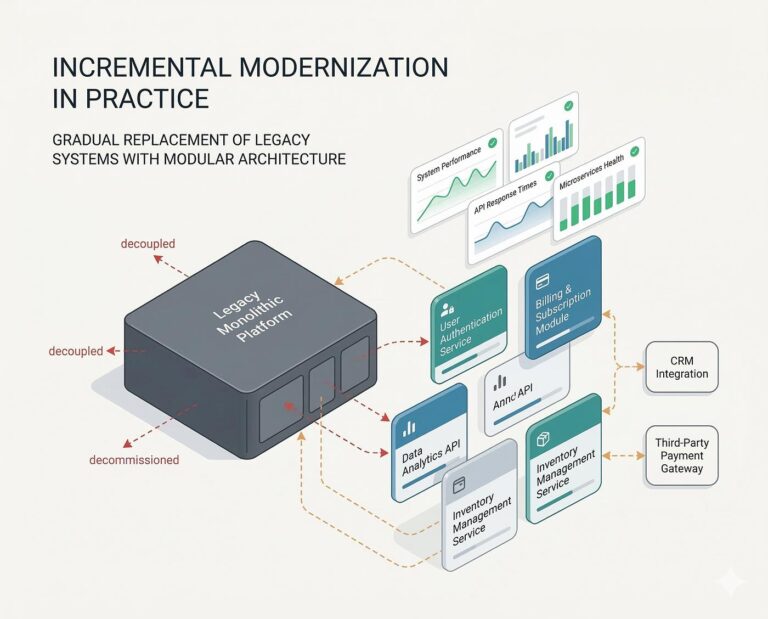
If your company already has a working application, database, or API, you may not need to replace everything.
Existing technology can often be modernized and integrated with new components.
Build Incrementally
Instead of developing everything at once, divide the project into phases.
For example:
Phase 1 → Core system
Phase 2 → Integrations
Phase 3 → Automation
Phase 4 → Advanced reporting
This makes the project easier to manage and allows the business to evaluate results at each stage.
When Should a Business Build Custom Software?
Custom software can be a good investment when an existing solution is creating operational limitations.
Typical warning signs include:
- Employees rely heavily on spreadsheets.
- The same information is entered into multiple systems.
- Business processes are highly manual.
- Existing software cannot integrate with important systems.
- Reporting requires significant manual work.
- The company has unique workflows that standard software cannot support.
- An existing application has become difficult to maintain.
- The business needs a system that can grow with its operations.
In these situations, custom software can be more than a technology expense.
It can become a tool for improving productivity and reducing operational complexity.
How to Get an Accurate Software Development Estimate
A reliable estimate requires more than a short project description.
Before development begins, it is useful to define:
- Business objectives
- Target users
- Main workflows
- Required features
- Integrations
- Security requirements
- Existing systems
- Technical constraints
- Infrastructure requirements
- Expected future growth
A technical assessment can then determine which components need to be built, integrated, modernized, or replaced.
This produces a much more realistic estimate than simply asking:
“How much does an application cost?”
The better question is:
“What does my business need the software to accomplish?”
Need a Custom Software Estimate?
If you have an idea for a business application, an existing system that needs modernization, or a manual process that could be automated, ExoTechHub can help evaluate the requirements and identify a practical development approach.
→ Contact ExoTechHub to discuss your software project and development requirements.
Final Thoughts
Custom software development does not have a single fixed price.
The cost depends on the complexity of the business problem, the functionality required, the integrations involved, the technical architecture, security requirements, and the long-term needs of the organization.
For some businesses, an existing SaaS solution is the best option.
For others, custom software can provide greater flexibility, automation, integration, and control.
The best approach is to first understand the business problem, define the essential requirements, and then determine the appropriate technical solution.
If you already have an existing system, you may not need to replace it.
If you have a new idea, you may not need to build everything at once.
A well-planned software project starts with the business problem, not the technology.